

5人編成のバンドである「水鏡」の「水鏡」は70年代のジェネシスをも思い出させるが、日本ならではの しっとりとした情緒が滴るCDである。和の旋律を奏でるキーボードが曲をリードするが、まさに全パート 必要不可欠なアンサンブルで音が構成されており、ダイナミックゆえに思わず引きこまれた。 また、日本語の語呂やリズムを活かした女性ヴォーカルは、麗しく凛々としているからカッコいい のだ。全体的に音の分離も良く、さっぱりしていて気持ち良く、久しぶりにシンフォニック系 プログレッシブロックで楽しめた

日本ならではのシンフォニック・プログレッシブロックを聴かせる5人組。多彩なキーボードを中心にしたダイナミックな演奏による和旋律が印象的で、万葉集から引用した言葉も歌う澄んだ女性ヴォーカルが溶け合う。叙情的だが音がヘビーなのもグッド。

日本のシンフォニックロックシーンで異彩を放つ女性ヴォーカル入り和風・プログレユニット、3年ぶりの第2弾。メロトロン、ギター、ドラムスなどが構築する幻想的なアンサンブルに乗って、紅一点である双葉のクールな歌声やフルートが響きわたる。
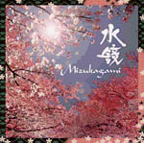
硬派なアーティストを紹介してきたPOSEIDON Records初のシンフォニック・バンド。純日本的な旋律と荘厳で重厚なシンフォニック・サウンドの融合、美しき女性ヴォーカルの歌声と艶やかなメロディーに心奪われる強力作!
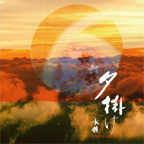
日本情緒漂う旋律と’70年代的Symphonic Rockを融合させたJapanese Progressive Rockバンド、六年ぶりとなる’08年作が登場!mellotoron/organ等keyサウンドに顕著なYES/GENESISの流れを汲む’70年代Progressive Rockサウンドの要素も強めつつ、前作よりもさらに童謡/童歌等一般庶民歌謡の要素をさらにメロディー/arr.に押し出した内容。往年の英国系サウンドを想起させる一方で、日本人だからこそ生み出せる感性/素養が発揮された素晴らしい一作です!!(夕掛け)。
日本情緒漂う旋律と’70年代的Symphonic Rockを融合させたJapanese Progressive Rockバンド、’08年東京でのStudio Live映像を収録したバンド初の映像作品となる’09年Live DVDが登場!’07年作『夕掛け』収録曲を中心に選曲、このバンド独特の日本人ならではのメロディ/旋律を生かしたSymphonicサウンドの魅力を全編でアピールする一方、他のバンドには無いしっとりとした叙情感が加味された演奏が心地よい内容。安定したテクニックとタイトな演奏で独特の世界観を紡ぎあげるステージが印象的な、Symphonic Rockファン必見の一本です!!未発表曲「夜の森」を収録。 【2ch Stereo/未発表曲1曲収録】
MIZUKAGAMI is the name of a current band of Tokyo, created by former PEDIMENT musicians. They manage to combine PAGEANT’s delicacy and the tension-filled energy of PROVIDENCE. Influenced by the great Seventies masters (KING CRIMSON, GENESIS, CAMEL…), they perform beautiful flute parts, enchant us with a refined feminine voice (Vocals in Japanese), show vintage keyboards sounds, guitar arpeggios… All of this, and even a lot more, is subservient to some deliciously melancholic, and even at times desperate ambiences. Alternating sweet moments and angry parts, the six tracks included on their eponymous album (2003) prove to be highly symphonic. Let’s also notice the discreet local traditional music influences. At the end of the day, we can only acknowledge that this album is worth of the best Eighties Japanese Progressive rock works. To be discovered…

Yugake The latest release on the Poseidon label is the second offering from Tokyo band Mizukagami. Their first album made a nice impact on the current Japanese symphonic prog scene and Yugake is a very worthy follow-up. The band takes a softer, pastoral stance on most of the material here, but that’s not to say there isn’t tension and heavier moments in some spots. They consider themselves influenced by the 70s prog classics like Genesis, King Crimson and Renaissance and this is definitely evident but there’s also an originality to their music. The key to the band’s sound comes from the fact that they are five solid musicians. The first one that I focused on while listening was vocalist Futaba. She has a very strong and beautiful voice that blends in perfectly with the music. She also plays flute but unlike Kazumi Suzuki (of Naikaku), her playing is more subdued. Another main ingredient in the Mizukagami sound comes from keyboardist Junya Anan, who provides endless layers of lush keyboard sounds and writes the music. Most of Junya sounds have an orchestral flair and he incorporates lots of mellotron and string synth in his playing. Guitarist must also be credited for his talented playing. His playing style is very beautiful reminding me of folks like Anthony Phillips and Any Latimer. In addition to the electric and acoustic guitars. The rhythm section are no slouches either. Keiichi Yanagawa on bass and Keita Kamiyama on drums keep the rest of the band on their toes. There really isn’t much that can be said about this band other than they play brilliant symphonic prog on the lighter side. This is the kind of stuff I really enjoy and fits in with bands like Theta, Interpose, Asturias, KBB and Ashada very nicely. Also the 80s band Pageant would be another reference point. And even though it’s just a Photoshop job, I really like the cover art on this one…very soothing. There’s a nice collage of photos on the CD tray as well. I also like the song titles that are translated to English. They create a nice peaceful reference for the songs and give an insight to the meanings. While the music presented here is a little subtler than most of the Japanese albums, I would definitely recommend it to anyone looking to explore this country’s wealth of progressive rock
MIZUKAGAMI Yugake (***1/2) – This is the second album by Japanese five piece band Mizukagami, reading the wide range of analogue keyboards I got excited: several Moog synthesizers and a Mellotron, electric piano, string-ensemble, digital Hammond organ and a harpsichord! – So it’s no surprise the six tasteful and varied compositions are loaded with those unique keyboards: compelling with lush organ and dreamy with flute-Mellotron and harpsichord in the titletrack, choir-Mellotron, twanging guitar with flute-Mellotron and a mid-tempo with flashy Moog synthesizer flights (along howling guitar) in Hanamizake, heavy Hammond waves in Yatagarasu and a bombastic Hammond sound in the alternating final song Ruten Ame. I also loved the guitarwork (from twanging acoustic guitar to howling electrci guitar runs, often in combination with the keyboards) and some work on real flutes (along the flute-Mellotron). The female singer has a decent voice in the mellow songs but in the more heavy and bombastic track she lacks power, like in Hanamizake. But fortunately the focus is on the guitars and keyboards, that makes this CD in general to a pleasant musical experience.

Prolusion. Like in the case of most of the other reviews I have written this week, all I can put here is that Mizukagami’s eponymous album is their debut. Synopsis. And yet another superb album that even the Titans of Prog would be proud of! And while the other great recent releases – the albums by Peter Frohmader’s Nekropolis and Taylor’s Free Universe – are above all destined for the most profound connoisseurs of progressive music, “Mizukagami” will be like honey for souls of all the lovers of classic (!) symphonic forms of Progressive Rock without exception. The album features six long songs, all of which are stylistically uniform and are about Classic Symphonic Art-Rock with elements of Japanese music done in the best traditions of the genre, and yet, without any influences. Each of the songs contains a lot of different vocal and instrumental themes, sub-themes, etc, and is characterized by the frequent alternation of intensive and soft arrangements, most of which while being different from each other, too, are definitely dramatic in character. The music is both highly original and complex and is filled with outstandingly virtuosi and tasteful solos by all of the band members, without exception. Varied, yet, always intricate interlacing of solos of electric and bass guitar, those of acoustic guitar and flute, tons of Hammond and Mellotron, a very strong and inventive drumming: all of this, being raised to the power of a highest ProGfessionalism, makes Mizukagami sounding like one of the best Symphonic Art-Rock bands marvelously arrived to the new millennium straight from the old ‘n’ gold 1970s. More. Japan is certainly much richer in ‘women of Prog’ than any other country, and Futaba Tanaami is assuredly the best Japanese female singer I’ve ever heard. But although her theatrically dramatic singing is definitely one of the most important constituents of the band’s music, purely instrumental arrangements cover about two thirds of the album. However, Futaba always remains in the ranks, and her playing a flute is as diverse and masterful as her singing. There is nothing superfluous in this album with a playing time (48 min) typical for the LP format (it doesn’t exceed 60 minutes), which, in my view, is still the most appropriate framework for any kinds of musical works. Conclusion. “Mizukagami” is a very intriguing, splendidly tasteful, and fantastically impressive album. I think this is one of the best Symphonic Art-Rock releases for the last three years, at least, and is probably the best Mellotron-related album since Anglagard’s “Epilog”. Cinderella Search, Cinema, Pageant, and most of the other Japanese Symphonic Art-Rock bands, hats off to Mizukagami! VM: July 30, 2003
(今週は「水鏡」のデビューアルバムについて書く タイタンオブプログとかピーターフロメイダーの「ネクロポリス」テイラーズ・フリー・ユニバースなど、 プログレッシブミュージックの数々のすばらしいアルバムがあるが、水鏡はプログレロックファンにとって 精神的なハニーとなるだろう。 長い6曲からなるアルバムは、日本の良い音楽要素を取り入れ他の影響も受けないクラシカルシンフォニーアートロックである。 それぞれの曲は異なる歌、楽器のテーマを持ち互換性の柔軟さを持ち、互いに異なる面を持ちつつ しっかりとした個性をもっている。 音楽的には高いレベルでオロジナリティがあり複雑ですばらしい個性がありバンドの全メンバーが 味わいのあるソロの要素を持っている。エレキギター、ベース、アコースティックギター、フルート、 ハモンド、メロトロン、上手いドラムが質の高い”ProGfessionalism”を生み出した。 日本には他の国より優れた女性のプログレミュージシャンがいる。双葉は今まで聞いた日本の女性 シンガーの中で最高だ。彼女のドラマチックな歌はバンドの3分の2を占める重要な要素である。 そして彼女のフルートは歌唱と同じように変化に富んで上手い。この48分のアルバムは余分な物 はなく良くできたアルバムだ。 結論として、このアルバム「水鏡」は策略にたけたすばらしく味わいのある、幻想的で大変印象深い ものだ。この3年間に発売されたシンフォニックアートロックで最も優れたアルバムの1枚といえる。 少なくともアングラガード「エピローグ」以来最も優れたアルバムの1枚と言える。 シンデレラサーチ、シネマ、ページェント、その他日本のシンホニックアートロックバンドの 中で「水鏡」に脱帽。(progressor))
Mizukagami are a recent Japanese prog band who released this, their self-titled debut in 2003. Evidently, the group’s members were formerly in a band called Pediment. Since I am not familiar with any Japanese prog bands music I can only guess as to what who this band is influenced by but I would say that they could very well consist of 80’s Japanese symphonic prog bands such as Outer Limits, Mugen, Providence, Pageant and others. The music on this disc is very much modern symphonic progressive with very little if any hints of neo prog. That said there are probably some strong hints of 80’s Japanese symph prog. The ultimate source of inspiration I imagine comes from the seventies prog legends and you can hear elements of Camel and Genesis and to a lesser extent even King Crimson and Yes. This album is jam packed with symphonic embellishments including that classic wall of keyboard sound. There are some great synthesizer leads on here too. In fact there are a few moments on here where things get very wild and intense and it is moments like these make me glad I am a prog fan since they are well worth waiting for and make an already very fine CD like this all the more interesting. I must also point out that there is a female vocalist named Tanaami Futaba who also plays the flute and it is these passages more than anything that remind me of early Genesis or Camel. Of course, the presence of a female vocalist inevitably draws comparisons to Renaissance but I doubt they were much of an influence except where maybe the vocals are concerned. Overall this is a very varied and very interesting symphonic prog disc with lots of twists and turns from this very promising recent Japanese band. Highly recommended.Prolusion. Like in the case of most of the other reviews I have written this week, all I can put here is that Mizukagami’s eponymous album is their debut. Synopsis. And yet another superb album that even the Titans of Prog would be proud of! And while the other great recent releases – the albums by Peter Frohmader’s Nekropolis and Taylor’s Free Universe – are above all destined for the most profound connoisseurs of progressive music, “Mizukagami” will be like honey for souls of all the lovers of classic (!) symphonic forms of Progressive Rock without exception. The album features six long songs, all of which are stylistically uniform and are about Classic Symphonic Art-Rock with elements of Japanese music done in the best traditions of the genre, and yet, without any influences. Each of the songs contains a lot of different vocal and instrumental themes, sub-themes, etc, and is characterized by the frequent alternation of intensive and soft arrangements, most of which while being different from each other, too, are definitely dramatic in character. The music is both highly original and complex and is filled with outstandingly virtuosi and tasteful solos by all of the band members, without exception. Varied, yet, always intricate interlacing of solos of electric and bass guitar, those of acoustic guitar and flute, tons of Hammond and Mellotron, a very strong and inventive drumming: all of this, being raised to the power of a highest ProGfessionalism, makes Mizukagami sounding like one of the best Symphonic Art-Rock bands marvelously arrived to the new millennium straight from the old ‘n’ gold 1970s. More. Japan is certainly much richer in ‘women of Prog’ than any other country, and Futaba Tanaami is assuredly the best Japanese female singer I’ve ever heard. But although her theatrically dramatic singing is definitely one of the most important constituents of the band’s music, purely instrumental arrangements cover about two thirds of the album. However, Futaba always remains in the ranks, and her playing a flute is as diverse and masterful as her singing. There is nothing superfluous in this album with a playing time (48 min) typical for the LP format (it doesn’t exceed 60 minutes), which, in my view, is still the most appropriate framework for any kinds of musical works. Conclusion. “Mizukagami” is a very intriguing, splendidly tasteful, and fantastically impressive album. I think this is one of the best Symphonic Art-Rock releases for the last three years, at least, and is probably the best Mellotron-related album since Anglagard’s “Epilog”. Cinderella Search, Cinema, Pageant, and most of the other Japanese Symphonic Art-Rock bands, hats off to Mizukagami! VM: July 30, 2003
「水鏡」は日本のプログレバンドで同名アルバムで2003年にデビューした。 日本のプログレバンドについてはあまり知らないが、このバンドが誰に影響されたかは 想像することができる。アウターリミッツ、夢幻、プロビデンス、ページェントなどのように 80年代シンフォニック・プログレッシブバンドの雰囲気をうまく出している。 このアルバムの音楽は少しネオ・プログレッシブだが現代シンフォニック・プログレッシブ と言える。70年代の有名なバンド、キャメル、ジェネシス、キングクリムゾン、イエスなどの 要素も取り入れていると思われる。 このアルバムはキーボードによるシンフォニックの要素が散りばめられ、激しかったり柔らか かったりするシンセサーザーのリードはプログレファンには嬉しい。待っていた甲斐のある すばらしいCDだ。 女性ヴォーカルの双葉はフルートも演奏するが、これらのサウンドは初期のキャメル、ジェネシスを 思い出させる。彼女のヴォーカルはルネッサンスを思い起こさせるが、影響をうけているようだ。 総体的にシンフォニック・プログレッシブCDで最近の日本のバンドとしてはたいへん多彩で興味深い。一押し。
★★★★☆ The debut album by this Japanese group proves to be high class symphonic. Mostly it is keyboard driven but there is some nice guitar leads as well. The keyboardist Junya Anan plays the main role in their music with his varied keyboards, fifteen different listed in the liner notes. On top of this is the female vocalist/flautist Tanaami Futaba. Her vocals are not a let down if one likes the many other female vocalists of other Japanese groups. She is among the cream of her crop. Very delicate and refined vocals in the style of Hiroko Nagai of Pageant fame. The flute is a nice addition as well. If you enjoy the eighties Japanese symphonic groups this should be an easy pick. The production is of high quality as well. The best tracks are in the first part of the album, namely “Sakura”, “Haru no sono” and “Suzukaze”. “Haru no Sono” starts with a really beautiful theme. I’m very much against repetition in progressive music but in this case I hope it would have been repeated in the latter part of the song. You kind of wait it to appear again but it never does. Still, it is among the best tracks. In the latter part of the album the quality goes down a little but it is still very good. Conclusion: Great Japanese symph!
★★★★☆ 4.5 stars!!!Great album, amazing vocal from Tanaami Futaba. Flute is also very impressive. “Sakura” is an absolutely masterpiece and the best number in album. I think this band with Shingetsu is the best example from japanese symphonic prog scene, because both this bands are very unique, you know, they haven’t stolen anything from classic brittish bands and that’s why admire these japan bands very much! Excellent work, strongly reccomended! 🙂
ubrique: Actu Mizukagami Mizukagami Poseidon/Musea – 48’08 – Japon ’03 Style: progressif symphonique Enfin! Apres des annees de disette, les amateurs de rock progressif symphonique nippon, si particulier, vont pouvoir se regaler! Avant d’embrayer et de passer la premiere, je fais une petite marche arriere, dans les annees 80: en Europe on s’emmerde sec, du point de vue musical et rock progressif symphonique en particulier. Mais au Japon, les petits jeunes decouvrent les gloires seventies et se mettent a les imiter, les copier, les digerer, un peu comme les fabricants de voiture et d’electronique de la meme epoque. Et comme tout bon japonais, ils le font avec application et savoir-faire, au point que les “Pageant”, “Mugen”, “Gerard”, “Outer Limits” et autres “Teru’s Symphonia” figurent parmi les piliers du rock progressif symphonique des annees 80, plus mythiques et plus apprecies (mais surtout plus inconnus!) que leur alter-ego britanniques qui inventaient le neo-progressif, a la meme epoque. Depuis le boom de l’internet, de l’auto-production CD, la couleur du soleil levant s’est ternie, pour ce qui est du symphonisme (alors que dans les domaines RIO, Zeuhl et autres, nos fripons amis nippons ont du repondant!), car a part Teru’s Symphonia qui nous sort un disque chez Musea tous les 3 ans, plus grand-chose a grignoter (a part Gerard, mais qui joue au trio virtuose, dorenavant)… C’est donc une excellente surprise que ce Mizukagami, conjointement edite par Poseidon et Musea, car tout y est pour nous rappeler les fastes d’antan: des envolees symphoniques excessives, un chant japonais aigu et si particulier (feminin, evidemment), des longs solos de guitare, des pelletees entieres de mellotron, de magnifiques developpements instrumentaux, de l’orgue, du piano, de la 12 cordes et meme de la flute. Les esprits chagrins nipponophobes vous diront, d’ailleurs qu’en enlevant le chant, on dirait du Genesis ou du Camel, tellement c’est bien. Moi, ca me fait vraiment penser aux meilleurs disques de Pageant (oui, je sais Gerard, c’est pas Jean), pour les entrelacs, flute, guitare acoustique, mellotron et envolees lyriques et electriques. Jusqu’a la pochette: finie l’epoque des dessins preraphaelites ou naifs, c’est une photo; mais d’un cerisier japonais en fleur, rose et kitsch, comme il se doit. Il n’y a pas a tortiller, si vous etes fan de prog symphonique et sauf si vous etes hyper-allergique au chant japonais, il vous faut ecouter ce disque, qui devrait etre sorti en pressage europeen au moment ou vous me

De eerste symforelease op het Japanse Poseidon label is een feit. Het label bewoog zich vooral op het jazzrock en avantgarde gebied. Bij beluistering van deze CD herleven de herinneringen aan de bloeiperiode van de Japanse progressieve muziek uit de tachtiger jaren. Vooral het toetsenarsenaal van Junya Anan, bestaande uit synthesizer, Mellotron, orgel(waaronder Hammond), strings ensemble en piano, is daar debet aan. In Suzukaze demonstreert hij het merendeel van de genoemde instrumenten. Zangeres Tanaami Futaba bespeelt ook de fluit, die veelvuldig te horen is en goed past in het symfonische plaatje. In Yukimus combineert de fluit heel mooi met orgel en strings ensemble. Hoewel Futaba geen slechte stem heeft, is de combinatie van haar vocalen met de symfonische muziekstijl niet altijd even gelukkig. De instrumentale stukken zijn verreweg het interessantste en op dat vlak heeft de band genoeg te bieden. De fluitbijdragen van Futaba zijn daarentegen wel een belangrijk onderdeel van de muziek op Mizukagami. Vooral strings ensemble en Mellotron zorgen voor de kenmerkende orkestrale composities. Maar ook de overige toetsen en elektrische en akoestische gitaar hebben voldoende speelruimte. Bijzonder is de Japanse percussie die zo nu en dan opduikt. Vanwege de distributie in Europa door Musea, zal dit interessante album hier ook gemakkelijk verkrijgbaar zijn. Mizukagami is goed uit de startblokken gegaan en wat mij betreft is de Japanse formatie door naar de volgende ronde. Info: https://www.mizukagami.jp Leo Hoekstra 20-07-2003

Oh grose Qual, warum immer ich?! Ich mag nicht mehr, ich kann nicht mehr, ich will nicht mehr. Was ist passiert, fragt sich der besorgte Leser? Da beginnt das Album von Mizukagami so richtig schon mit Retrosounds, ein verheisungsvoller Beginn mit Flote, singender Gitarre und antikem Tastenklang kundet von mehr und dann das. Was hier Sangerin Tannami Futaba abliefert, ist zum Teil fahrlassige Korperverletzung. Entweder verfugen die Menschen im Fernen Osten uber andere Horgewohnheiten bzw. ein anderes gesangliches Schonheitsideal oder es ist schlichtweg Absicht, dass hier einige Tonlagen ganz bose verpasst werden. Schauder! Eigentlich verdammt schade, denn was ihre mannlichen Kollegen bieten, u.a. ist mit Junya Anan der Hauptkomponist der Nipponband Pediment von der Partie, wurde inhaltlich ansprechend ausgedacht und handwerklich bestens umgesetzt. Ein leicht rumpeliger, verwaschener Gesamtsound sorgt fur kleinere Verstorungen, aber er ist ebenfalls dafur zustandig, dass die Musik von Mizukagami noch authentischer nach 70ern klingt. Der Funfer aus Japan orientiert sich an den grosen Namen aus der heimatlichen Vergangenheit, verbindet das Feeling japanischer Traditionen mit sinfonischem Progressive Rock. Besonders das Tastenarsenal wuhlt sich so richtig tief in die analogen Klange der Vergangenheit hinein. Atmosphare und Spannung werden sorgsam aufgebaut, auch wenn einiges zu offensichtlich schablonenhaft zusammengezimmert ist. Dennoch wird der Horer keineswegs mit ultrakomplexen Ablaufen uberfahren, sondern Harmonie und Melodie bestimmen die musikalische Wegstrecke. Dies soll aber keineswegs heisen, dass ganzlich auf Ecken und Kanten verzichten werden muss, jedoch sind diese bei Mizukagami geschickt im melodischen Gesamtkonzept verwoben. So gibt es in der Gesamtbeurteilung leider eine gewaltige Diskrepanz zwischen der instrumentalen und gesanglichen Leistung. Wahrend die mannlichen Akteure an Griffbrett, Taste und Stocken manch prima Idee realisieren, kann die Jodelchanteuse vor allem dann uberzeugen, wenn sie zur Flote greift. Hier ware sicherlich mehr drin gewesen. KS
Mizukagami are a Japanese outfit, and this is their debut album. They play what is probably best described as a mix of symphonic and neo prog, with a hefty dose of traditional Japanese music thrown in. Whilst this may sound somewhat contrived it isn’t, and makes for an atmospheric, thoroughly enjoyable album. Influence-wise, the main ones I picked out (on a musical level) were Camel, Kansas (in symphonic rather than hard rock mode) and early Marillion circa Script For A Jester’s Tear ? the latter particularly in the keyboard sounds. Female vocalist Tanaami Futabi, meanwhile, puts in a great performance ? she has a very listenable voice, and although she sings in her native tongue this is never a problem, and in fact probably adds to the band’s sound. She also peppers many of the tracks with bursts of Andy Latimer-esque flute playing, which again gives the music another dimension. This album doesn’t appear to have been recorded on a tight budget ? the production is good, and the amount of instruments used (including Koto and a range of Japanese percussion) is impressive. Keyboard player (and main songwriter) Junya Anan uses a range of Moogs, Mellotrons, pianos and organs (including Hammond) and you can hear them all ? what’s more, this is never an instrumental showcase, with all instruments used fully in service of the songs. Guitarist is a more restrained presence, but is let off the leash occasionally (on the dynamic Haru No Sono for instance) to good effect. The only criticisms I have of this album are minor ones ? some of the time changes could be handled a little more fluidly, and the album perhaps tails off a tad towards the end. These are all things that can rectified with experience though. Overall, this CD was a pleasant surprise. Given the glut of material Musea releases it would be easy to overlook this album, but that would be a shame, as fans of atmospheric, symphonic prog would find much to enjoy here. Conclusion: 8 out of 10
In Sakura this album has a strong opener, a combination of the Japan side of sympho with some King Crimson and Camel thrown in. There is flute, female vocals, but also a raw power speaking from the opening instrumental part. The vocals are in Japanese, not always in tune and a bit on the high side. The mellifluous vocal passages are enriched with plenty of synths and gurgling water. There is plenty of tension in the music, also by the vocal flutterings which occur after the sung verses. The instrumental parts are good. Vocal wailings, acoustic guitar and woolly tapestries of synths fill up the continuation. The feel is probably mainly Camel like, but with the tenseness and the mellotron, King Crimson is also a reference. Towards the end especially the guitar gets to have more bite and the keyboards get more rowdy and meandering. Good stuff, no holding back. This is in fact one of the drawbacks of mucj prog from Japan, the bands hold back too much. In that sense, one may think of Gerard here. Haru No Sono is half as long, opening with a strong theme. This is pure symphonic rock again, with vague drawn out vocals. A full sound, quieter during the melancholy vocal passages, on this one. Suzukaze contains the steady line of quality. The vocals are a bit different at times here, faster, less ethereal. Good to have some variation there. The melodies stay good, the music very keyboard focussed, while also acoustic guitar is present. Shinato No Kaze opens in up-beat fashion with nice synths running alongside the drums. The synth work has some elements of Kitaro at times, but the music itself is not that style at all. The vocals are a bit flat here. There is a charming acoustic intermezzo, after which the mellotron sets in rather subduedly. The conclusion features some good vocal material. Takamura is a somewhat longer track again, opening with bird sound, and whats seems to be a folklore string instrument. There is also mellow flute here, again the melody is good. A slow moving song, but I think we are going to get an outburst or two. Ah yes, there it starts with Tullian flute, ELPish organ and some distorted guitar. Anyway, the vocal passages are a bit on the lame side, sometimes a bit offtune too, making this the least succesful song so far. The song does have a bit of bite at the end with spooky synths and keyboards offering quite a bit of tension again. Yukimushi is the final track, and quite long. It opens slowly enough, a bit waltzy with what seems something akin to cello (may be synthetic, may be not). The vocals are a bit unsteady. Melodically this is a bit too easy-going and somewhat overly sweet. The wah-wah guitar tries to undo that opinion, but only succeeds in part. The conclusion is quite rowdy and saves the day. Conclusion From Japan, I get the impression come two types of bands: the melodic ones often with female vocals usually very symphonic and keyboards oriented and the avant type prog band, angular, Crimsonesque, tension rich, and just a little bit crazy. Mizukagami has elements of both, although more of the former. The vocals are indeed female, and at times a bit unsteady, the mood is often Camel like, melodic and a bit sad and soothing. But fortunately, this band also has some more daring, tense elements that make especially the first four songs interesting yet accessible. On the final two tracks, the tenseness is lacking and my appreciation of these songs was lower. Although I think that it will be especially the friends of the pure symphonic type of prog that will want to hear about this one, it also holds something for the others, who need a bit of danger in their prog. Fans of Quidam (but she is not Emilia) and their kin might also want to hear this. c Jurriaan HageMizukagami are a Japanese outfit, and this is their debut album. They play what is probably best described as a mix of symphonic and neo prog, with a hefty dose of traditional Japanese music thrown in. Whilst this may sound somewhat contrived it isn’t, and makes for an atmospheric, thoroughly enjoyable album. Influence-wise, the main ones I picked out (on a musical level) were Camel, Kansas (in symphonic rather than hard rock mode) and early Marillion circa Script For A Jester’s Tear ? the latter particularly in the keyboard sounds. Female vocalist Tanaami Futabi, meanwhile, puts in a great performance ? she has a very listenable voice, and although she sings in her native tongue this is never a problem, and in fact probably adds to the band’s sound. She also peppers many of the tracks with bursts of Andy Latimer-esque flute playing, which again gives the music another dimension. This album doesn’t appear to have been recorded on a tight budget ? the production is good, and the amount of instruments used (including Koto and a range of Japanese percussion) is impressive. Keyboard player (and main songwriter) Junya Anan uses a range of Moogs, Mellotrons, pianos and organs (including Hammond) and you can hear them all ? what’s more, this is never an instrumental showcase, with all instruments used fully in service of the songs. Guitarist is a more restrained presence, but is let off the leash occasionally (on the dynamic Haru No Sono for instance) to good effect. The only criticisms I have of this album are minor ones ? some of the time changes could be handled a little more fluidly, and the album perhaps tails off a tad towards the end. These are all things that can rectified with experience though. Overall, this CD was a pleasant surprise. Given the glut of material Musea releases it would be easy to overlook this album, but that would be a shame, as fans of atmospheric, symphonic prog would find much to enjoy here. Conclusion: 8 out of 10
Recensito da Donato Zoppo Magico e delicato esordio dal Giappone (Vers. stampabile ) Coprodotto da Poseidon e Musea arriva alla nostra attenzione il debut album dei giapponesi Mizukagami. Provengono da Tokyo e sono un quintetto: la bella vocalist/flautista Tanaami Futaba (autrice dei testi), Junya Anan (il principale compositore) alle tastiere, rigorosamente analogiche, Keiichi Yanagawa al basso, Keita Kamiyama alle percussioni. L’album e completamente in giapponese: si salva una frase in latino piuttosto maccheronica, che poi altro non e che un verso dell’Ave Maria. L’artwork, essenziale ma suggestivo, con i tipici fiori rosa del pesco, non fa che introdurci nel mondo favolistico e misterioso della band: l’introduzione della bella opener “Sakura” e potente ed inquieta, guidata dalle tastiere “vintage” di Anan, dalle chitarre e dal flauto, unica pecca la voce un po’ monocorde della Tanaami. La band si presenta dunque come seguace (fin troppo…) dei migliori Pageant, di nomi come Mugen, Pale Acute Moon, Vermilion Sands e tutte le new prog band “italianofile” provenienti dal Sol Levante. Netti i richiami ai Genesis e ai Camel, alla PFM e alle Orme, ai sinfonismi dei primi King Crimson e al rock cosmico pinkfloydiano, l’elaborazione musicale non e pero da disprezzare, ha solo il difetto di essere un po’ ripetitiva e statica. Il fil rouge dei brani e un certo mood malinconico, tipico di gruppi nordeuropei come i White Willow. “Haru no sono” e un brano piu arioso ed avvolgente, con una intrigante linea melodica e quell’appeal misterioso e sfuggente che rappresenta la costante dell’album; il cantato in madrelingua non e sgradevole e conferisce ulteriori sfumature fiabesche al sound. Il grosso del lavoro e svolto dall’armamentario d’annata del tastierista, che tesse arcane melodie; il flauto si limita a suggestivi interventi, chitarre e coppia ritmica ricoprono un ruolo essenziale ma non disprezzabile. La musica tradizionale giapponese appare in “Suzukaze” e nella fatata “Takamura”, brani ariosi e melodici, con maggiori richiami folk e tentazioni sinfoniche di evidente derivazione crimsoniana. La seconda rivela anche qualche spunto notevole, peccato che non sia stato approfondito. “Mizukagami” ha come protagonista una teoria di “melopee”; e un album talmente evanescente da risultare quasi piatto, con una scarsa capacita di “scuotersi”. Provvidenziale in tal senso e un brano come “Shinato no kaze”: piu scattante ed arricchito da interessanti inserti di moog, hammond e mellotron, perde un po’ di smalto per gli interventi vocali. Stesso discorso per alcuni passaggi ed intrecci della conclusiva “Yukimushi”, che regalano un po’ di movimento alla quiete dell’album. L’ultimo brano e tra quelli meglio “cuciti”: lirico e romantico, malinconico e suggestivo, vede nella lunga durata la possibilita di sviluppare diversi temi. L’album e consigliato agli aficionados del progressive dagli “occhi a mandorla” e agli amanti delle sonorita piu levigate e gentili, volendo anche ai piu curiosi in crisi di astinenza.
Chaque mois, plusieurs dizaines de nouveaux groupes imitant a la perfection Genesis, Pink Floyd et Camel, apparaissent. Et ce, aux quatre coins du monde. Cette fois-ce, c’est au tour du japon, pays ou le prog’ est extremement populaire, de fournir un nouveau clone des regretees seventies. Le resultat de ce genre de groupes n’est pas souvent des plus excitants, et Mizukagami apporte en effet son lot de poncifs, d’arpeges de guitare et de passages de flutes qui sentent la reecriture sempiternelle de Genesis (est-ce parce que ce groupe est le plus eminement dissous qu’il fascine a ce point les nouveaux progueux en mal d’imagination ?). En bref, Mizukagami est, comme les autres, un groupe plein de bonnes volontes, mais il est inutile d’ecouter la copie quand on a l’original. Sachons etre positifs au-dela de cette critique recurrente. Il n’y a pas que de la bonne volonte chez Mizukagami. Les interpretes sont de tout premier ordre. Le parti pris d’utiliser l’orgue hammond, de chanter en japonais, sont autant de bonnes idees. “Same” reste tres agreable a ecouter. Mais de la a investir dans ce disque et s’y attarder…
Though I enjoy the way in which progressive rock has become as much of an international music as the ubiquitous techno (and you’ll never know how gratifying that is unless you live in prog-hostile England), I’ve got to admit that I get suspicious when prog travels without learning as it goes. more | top Consider Mizukagami in 2003. By all accounts, a typical Japanese prog band hearkening back to the “golden age” sound of 1980s symphonic bands like Shingetsu, Pageant or Vermilion Sands. A soup of warm keyboards dominates, topped off by flaring digitally-polished rock guitar and a singing flautist. Bass and drums lurk in the middle, waiting for their cues to lurch into ponderously arch rhythmical shapes. Long songs – check. A sense of important messages waiting to be delivered in lengthy, unwinding detail – check. The beautifully-recorded sound of a flowing river permeating the album, as a nod to ‘Close To The Edge’ and a vague celebration of the natural world – che-e-e-eck… sigh… more | top Perhaps I’m being mean here – Mizukagami aren’t really committing greater folly than many contemporary bands in Europe or America. But it is depressing to see so much effort being used to inflate such a slack musical bag, and how little Japanese musical innovation is being applied in this case. Instead, we listen to Futaba Tanaami’s fatally wan vocals as they sprawl across elongated Japanese folk melodies, and we try to appreciate Mizukagami’s flaccid attempts to graft them on to the stagnant pomp of Junya Anan’s keyboards. And it’s an uphill journey. more | top The language barrier doesn’t help, of course. Japanese friends assure me that Tanaami’s lyrics are styled on ancient Japanese poetry and are metaphysical by nature. Song titles which translate as Cool Wind Blowing and Cherry Blossom give the game away, anyway – typically timeless Japanese meditations on impermanent beauty and states of grace within nature. All well and good, and I’ll admit that on spec it’s no quainter than the olde-Englande vein I’ve previously celebrated in British acts like the North Sea Radio Orchestra. But… there is a difference between working hard to remount or re-realising old music and voicings in the here and now, and merely welding ersatz history onto turgid rock posturing. Unfortunately, Mizukagami invariably choose the second option. The result’s an unhappy match – syrupy Japanese MOR vocal pop lying lank on top of over-ripe AOR bluster, with twee breaks of New Age synth bridging the gaps. more | top There are plus points – Tanaami’s flute playing has all of the grace and timing which her singing lacks and Keiichi Yanagawa’s bass provides some much-needed solid meat in Anan’s compositional stew when it’s allowed to. And maybe I should admit that the inspiringly dissonant torrents of disruptive inventiveness from Japanese bands like Ruins or Ex-Girl has long since cut me adrift from this kind of na・e Japanese prog. Maybe I – or evophonic – should be leaving it alone, instead of pricking the pretty iridescent bubble in the faces of those who do like it. more | top Still, I’ve got to say this. If prog is universal enough to travel, the results ought to be universal enough to speak to everyone. And I can’t hear much here besides a fatally myopic and almost blinded tradition, nudging its boat up the river only to slither to a halt on a sandbank. Sorry. Dann Chinn